ECO-Knowledge Game 2
Welcome back to our ECO-Knowledge Game #2! Here we have 6 random astronomical and ecological questions that pertain to our ECOlogical Calendar! Here’s how it works:
-Click ‘Check answer’ to see the answer to each question.
-If you know it, click ‘Got it.
-Shuffle’ lets you shuffle the deck.
-If you don’t know it as well as you’d like to, click ‘Need more practice,’ and that card will go to the bottom of the stack so you can practice it again.
[q] Why are some shooting stars brighter than others?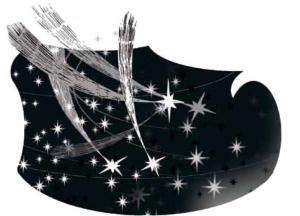
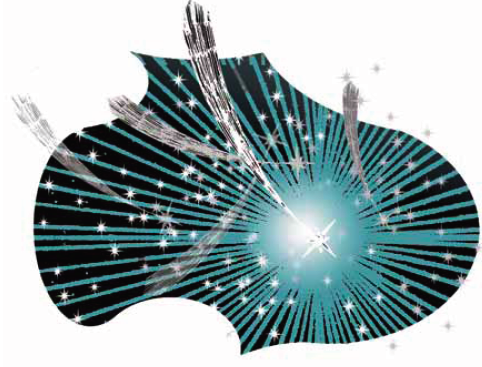
Size, speed, and chemical makeup of the meteors – as well as the angle of their trajectory within Earth’s atmosphere – all influence the perceived brightness of shooting stars.
[q] True or false? A bull moose requires a full year to grow its antlers.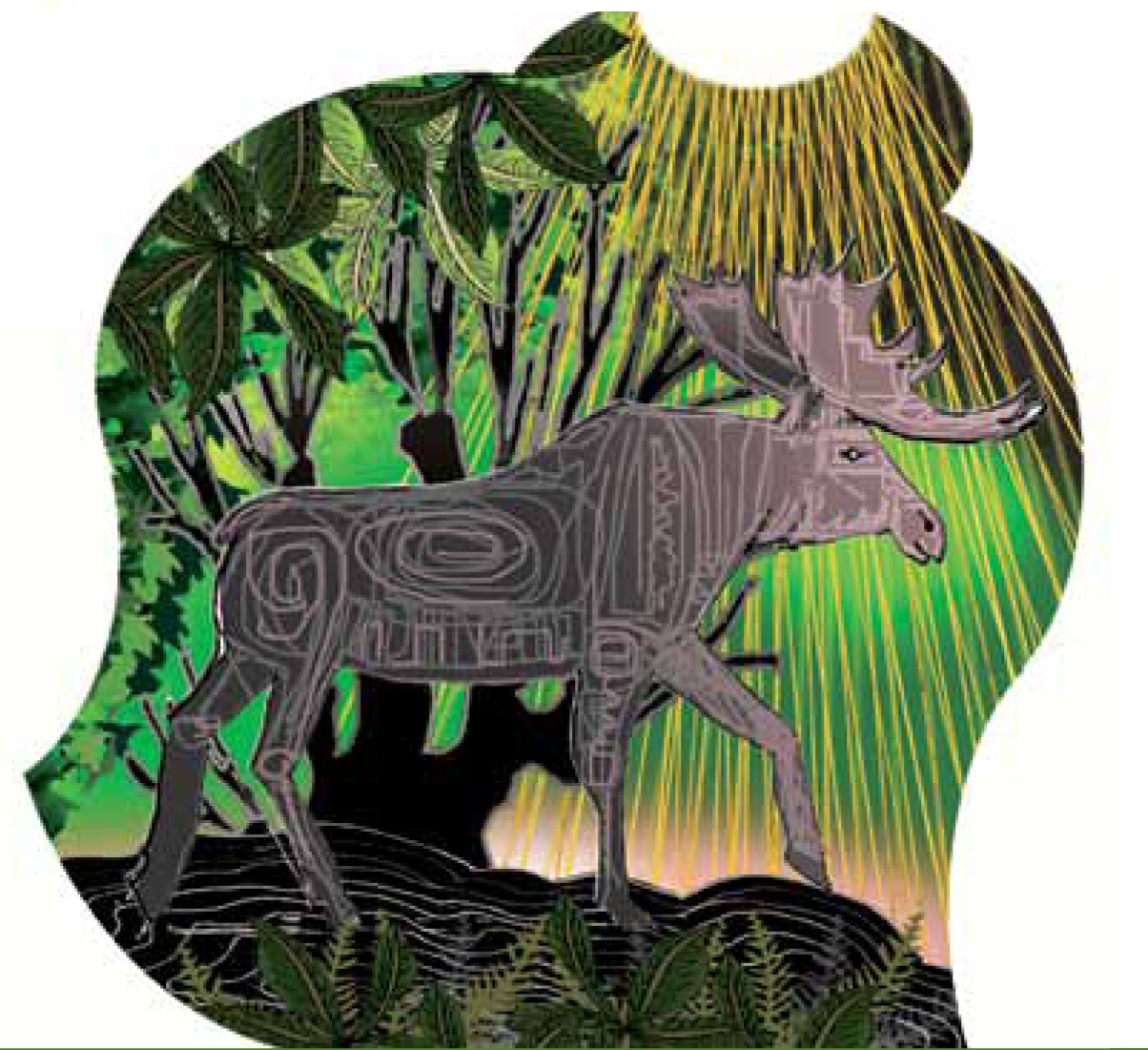
False. Among the fastest growing organs in the animal kingdom, the moose’s antlers can reach a span of six feet (1.8m) in roughly three months! The moose regrows them each spring, after dropping the antlers in winter to conserve energy.
[q] What does equinox mean?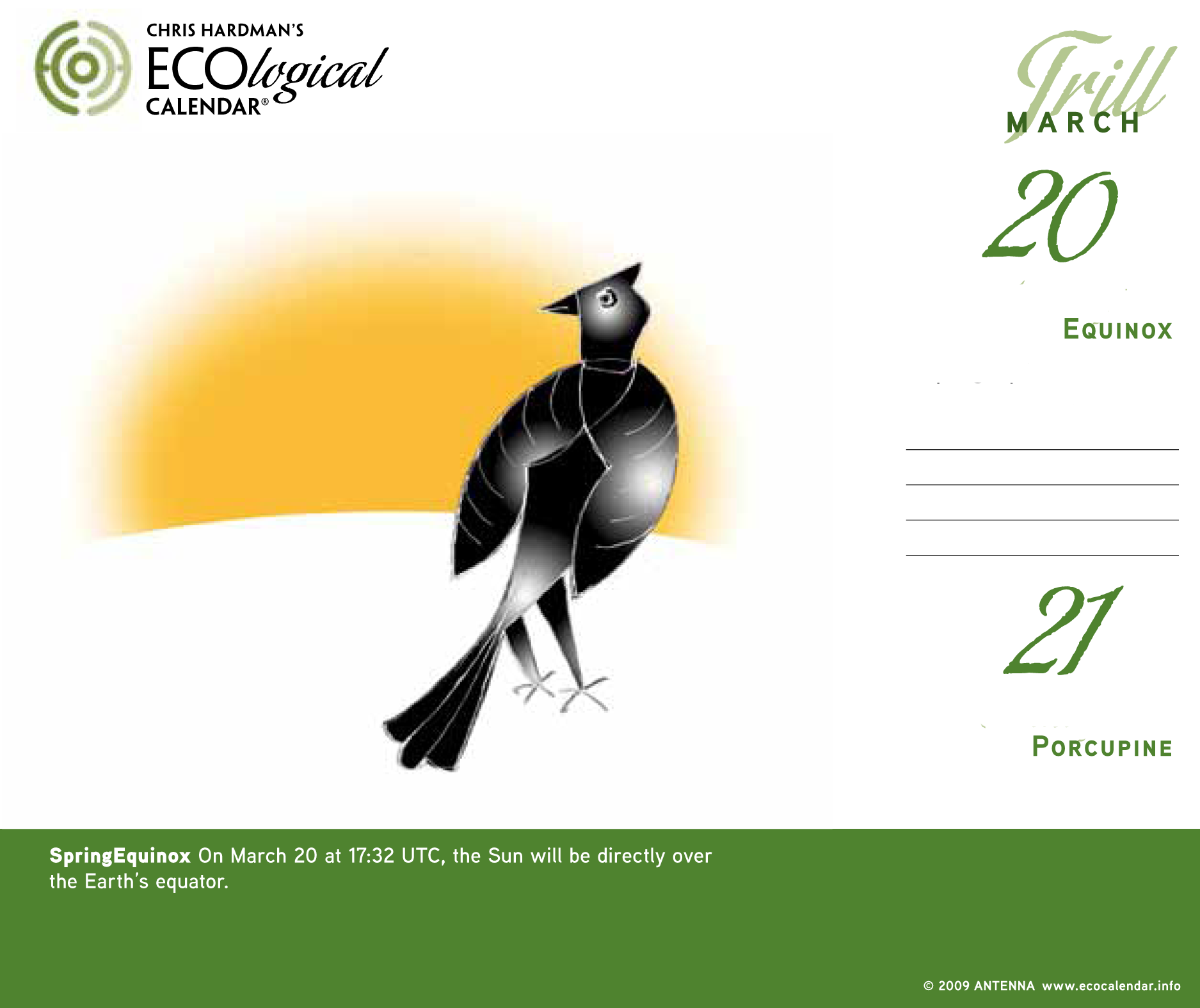
[a]
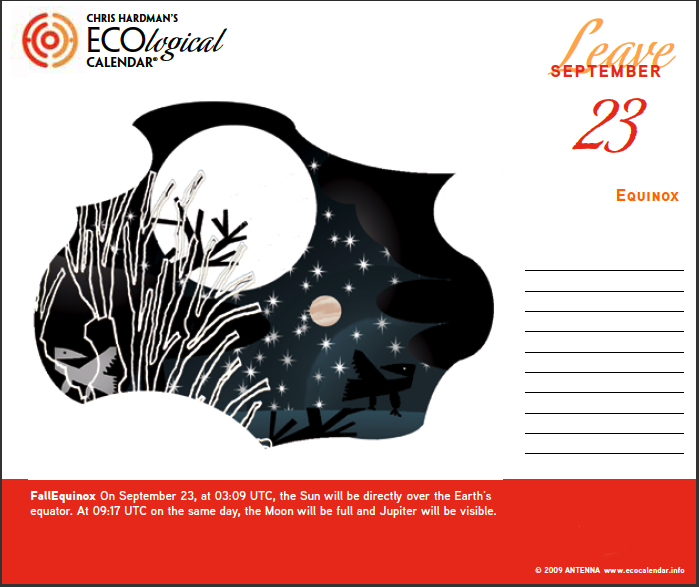
Equinox means “equal night”. There is one in the spring, and one in the fall. The equinoxes are the points in Earth’s annual orbit when the lengths of day and night are equal; the Sun shines directly at the equator at noon, and the northern and southern hemispheres receive the equivalent amount of sunlight.
[q] What is cutin?
[a]
Cutin is a natural waxy coating that protects the leaves (needles) of conifers from freezing, allowing them to be retained year-round.
[q] What does “solstice” mean?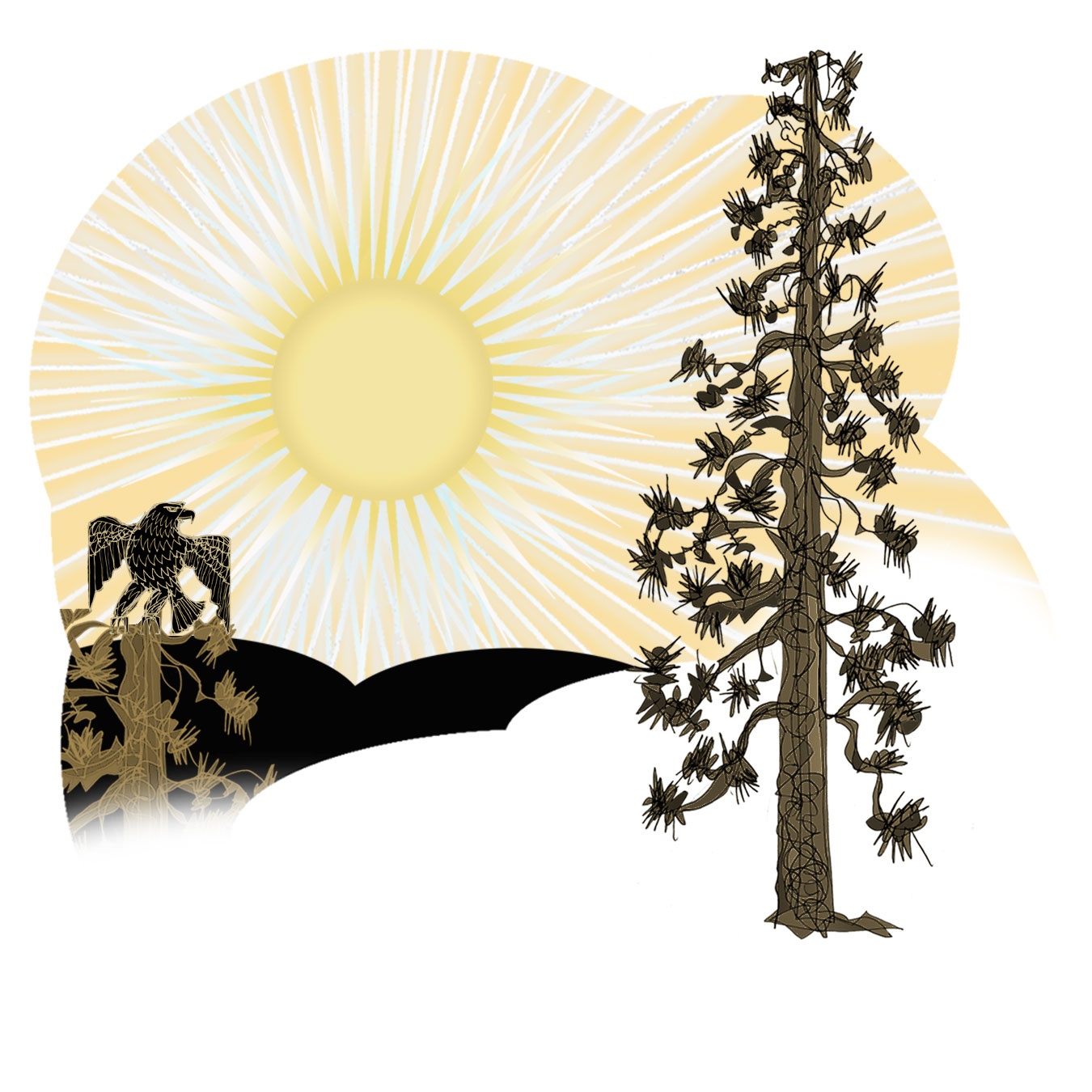
Solstice means “to stand still”. At noon on the summer solstice, the Sun’s rays reach their northernmost latitude, shining directly down on the Tropic of Cancer (23.5ºN). During this period the northern hemisphere receives the majority of the sunlight. At noon on the winter solstice the Sun’s rays reach the southernmost latitude over the Tropic of Capricorn (23.5ºS). During this period the southern hemisphere receives the majority of the sunlight.
[q] True or false? Owl’s eyeballs can’t move in their sockets.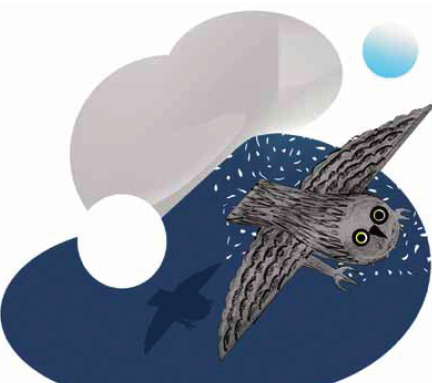
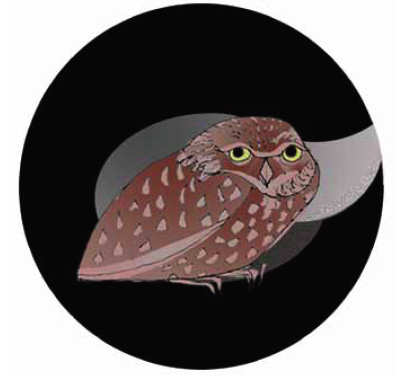
True. The large forward-facing eyes of owls are fixed in their sockets, but an owl can turn its head 180º to see. Most owls have excellent vision in low light, though not all are nocturnal. They also have acute hearing that enables them to detect prey moving under a blanket of snow up to 90 feet (27m) away!
[x]
Thank you for playing! Hope you learned some cool new facts! Check out more content on our ECOlogical Feed on our website – www.ecocalendar.info
All questions and answers from Chris Hardman’s:


 Magic Bus SF